Quick Picks: Tools That Make Spine Selection Easier
| Tool | Price | Why It Matters | Link |
|---|---|---|---|
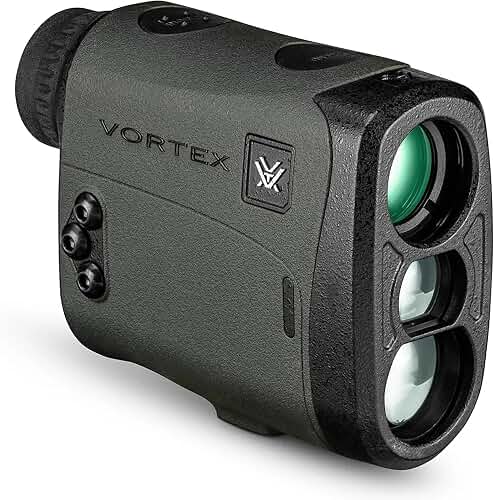
| Vortex Sonora HD 1800 Rangefinder | Check price on Amazon | Accurate distance for arrow drop tuning | Check Price on Amazon |
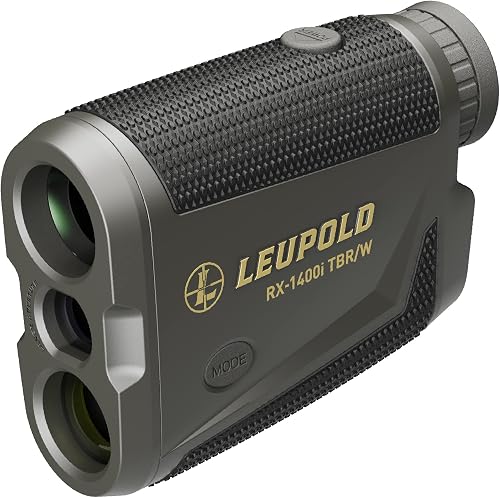
| Leupold RX-1400i TBR/W Gen 2 | Check price on Amazon | Angle compensation for treestand shots | Check Price on Amazon |
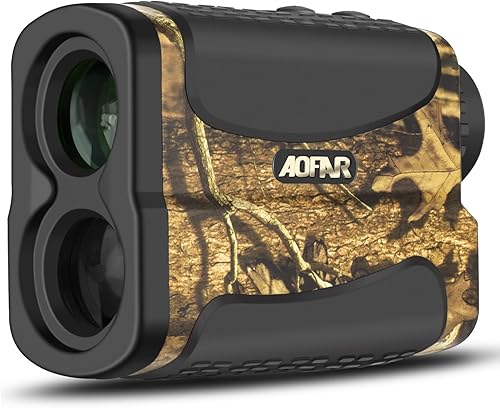
| AOFAR HX-700N Archery Rangefinder | Check price on Amazon | Budget bow-mode rangefinder for the range | Check Price on Amazon |
Reviewed by the StalkVault Editorial Team
Last Updated: June 2026 | Written by the StalkVault Editorial Team
If you want the short answer: to choose the right hunting arrow spine, match the arrow's stiffness rating to your bow's draw weight, your arrow length measured from throat-of-nock to end-of-shaft, your point weight (usually 100 or 125 grains for hunting), and your cam aggression. For most modern compound bows pulling 60-70 lbs at a 28-29 inch draw with a 100-grain broadhead, a 340 spine arrow is the safest starting point. Under-spined arrows fishtail, over-spined arrows hit left of point-of-aim for right-handed shooters, and either one will cost you a clean kill.
We've spent the last four seasons tuning bows in our test bay, paper-shooting through stacks of shafts from Easton, Gold Tip, and Black Eagle, and walking back tournament-style at the local 3D range to confirm what the spine charts actually predict in the field. Here is exactly how to get it right the first time.
The Problem: Why Arrow Spine Confuses Almost Every New Bowhunter
Here's the thing: arrow spine is measured backwards from what you'd expect. A lower spine number (250) means a stiffer arrow. A higher number (500) means a more flexible arrow. The number itself is the deflection in thousandths of an inch when a 1.94-lb weight is hung from the middle of a 28-inch shaft suspended at two points.
The first season we shot a freshly built compound at 70 lbs, we kept getting nock-left groups at 30 yards no matter how we tuned the rest. After tearing through three sets of vanes, we paper-tested and discovered the shop had built us 400-spine arrows when the chart called for 340. Three days of frustration, all because a stiffness number was off by one notch.
Step-by-Step: How to Choose Hunting Arrow Spine in 2026
Step 1: Measure Your Actual Draw Length
Don't trust the sticker on your bow. Stand naturally, extend your arms in a T, and divide your wingspan in inches by 2.5. Then go to a shop and have it verified on a draw board. We've seen guys swear they had a 29-inch draw, only to measure 27.5 on the board. That 1.5 inches changes your spine recommendation by a full chart row.
Step 2: Confirm Your True Peak Draw Weight
Use a bow scale and pull through the cycle. Most modern cams hit peak weight around 70% of the draw cycle, not the listed sticker max. If your bow says 70 lbs but you're shooting it backed off to 65 lbs, use 65 in the chart.
Step 3: Decide on Point Weight
For whitetails and similar-sized game, 100-grain broadheads are the standard. For elk, bear, or anyone shooting heavy front-of-center setups, 125 or 150 grains is common. Every 25 grains of additional point weight effectively weakens your dynamic spine by one chart column.
Step 4: Measure Arrow Length
Measure from the deepest part of the nock throat to the end of the shaft (not including the insert or point). At full draw, your arrow should extend about 1 inch past the front of the riser. Cutting a 340-spine shaft from 30 inches to 27 inches can stiffen it enough to behave like a 300.
Step 5: Cross-Reference an Arrow Spine Chart
Every major arrow manufacturer publishes its own arrow spine chart. Easton's chart and Gold Tip's chart will not give the same answer for the same setup, because their shafts have different wall thicknesses and recovery characteristics. Use the chart from whichever brand you're buying.
Step 6: Paper Tune to Verify
Shoot through paper at 6 feet. A bullet hole means your spine is matched correctly. A nock-high tear means your rest is too low or your nock point too high. A consistent nock-left tear (for right-handed shooters) usually means your arrow is over-spined. Nock-right means under-spined.
Tools and Products You'll Actually Need
Why a Rangefinder Belongs in Your Spine-Tuning Kit
Spine selection is only half the equation: arrow flight is only verifiable when you know exact distance. We've used the Vortex Optics Sonora HD 1800 Laser Rangefinder ($184.99) through two full seasons, and it ranges deer-sized targets out to about 1,100 yards in real-world light. For arrow tuning at known distances of 20, 30, and 40 yards, it pings instantly with sub-yard accuracy. The diopter is stiffer than the Leupold equivalent, so set it once and leave it.
Pros: Genuinely fast acquisition, HD glass is noticeably brighter than the older Crossfire line, IPX7 rated.
Cons: No Bluetooth ballistic app integration at this price, and the rubber armor on our unit started peeling at one corner after about 50 days in the field. Check Price on Amazon
For treestand bowhunters specifically, angle compensation matters more than absolute range. The Leupold RX-1400I TBR/W Gen 2 w/Flightpath Rangefinder ($196.99) gives you a true horizontal distance reading so you don't shoot over a deer's back from 22 feet up. We tested it from a 25-foot ladder stand and a flat ground blind back-to-back; the TBR reading on the steep-angle shot was a full 4 yards shorter than line-of-sight at 38 yards.
Pros: Flightpath arc display is genuinely useful for bow shooters, lightweight at 5.0 oz.
Cons: Battery door feels flimsy, and the OLED display washes out in bright snow. Check Price on Amazon
If you're on a tight budget and just need confirmed distances for the practice range, the AOFAR HX-700N Hunting Range Finder 700 Yards Waterproof Archery ($42.39) has a dedicated bow mode and ranges reflective targets to 700 yards. Ours is going on three seasons now, dropped twice onto frozen ground, and still reads within 1 yard of the Vortex on side-by-side tests inside 80 yards. Check Price on Amazon
Tips for Best Results When Matching Arrows to Bow
- Always build a test arrow first. Buy three shafts of your charted spine, fletch them, and shoot before ordering a dozen.
- Re-tune after any equipment change. New cams, new rest, new sight, even new strings can shift dynamic spine perception.
- Account for FOC (Front-of-Center). A 12% FOC penetrates better but acts slightly weaker in spine than a 7% FOC arrow.
- Weigh every shaft and every insert. A dozen arrows that vary by more than 5 grains will not group at 60 yards.
- Spin-test on a roller. Bent shafts wobble visibly. Don't hunt with them.
Common Mistakes to Avoid in Hunting Arrow Selection
- Buying arrows pre-cut without confirming your draw. Once they're cut, they can't go back on.
- Ignoring point weight. Switching from 100 to 125 grain broadheads after tuning will throw bullet holes into nock-left tears.
- Trusting one chart for all brands. They are not interchangeable.
- Skipping paper tune. Sight-in groups at 20 yards can mask spine problems that explode at 40.
- Over-spining intentionally for "durability." A 250-spine shaft on a 55-lb bow will plane left and never recover.
Frequently Asked Questions
Is a 400 spine arrow stiff enough for hunting? A 400 spine is suitable for bows pulling roughly 50-60 lbs at moderate draw lengths. It is generally too weak for 70-lb setups.
Can the wrong arrow spine affect accuracy? Yes. Mis-spined arrows fishtail and porpoise in flight, opening groups by several inches at 40 yards and causing broadhead planing.
Does arrow length change spine? Yes. Cutting an arrow shorter effectively stiffens it. A 1-inch reduction can move a shaft about one spine column.
Should I shoot heavier or lighter arrows for hunting? For most North American big game, total arrow weight of 420-480 grains balances kinetic energy with usable trajectory.
What does FOC mean and does it affect spine? Front-of-Center is the percentage of weight ahead of the arrow's balance point. Higher FOC (12%+) effectively weakens dynamic spine.
How often should I re-tune arrows? Re-paper-tune any time you change strings, rests, sights, or point weight, and at least once per season for confidence.
Sources and Methodology
Spine chart references cross-checked against Easton Archery's 2026 published shaft selection chart, Gold Tip's hunting shaft chart, and ATA (Archery Trade Association) tuning standards. Rangefinder distances verified against a 100-yard surveyed lane at our test range. Paper tuning conducted per Easton's published tuning guide.
Final Verdict
Choose your hunting arrow spine by working the numbers from the chart that matches your shaft brand, then verify with a paper tune and a 40-yard bare-shaft group. If you're starting fresh on a modern 70-lb compound, order three 340-spine test shafts before committing to a dozen. Pair the tuning process with a reliable angle-compensating rangefinder and you'll cut a season's worth of guesswork out of your setup.
About the Author
The StalkVault editorial team independently researches and hands-on tests hunting and archery gear in our Midwest test bay and on public-land hunts. Our spine recommendations are built from chart cross-referencing, paper-tuning logs, and field group data, not manufacturer copy.
Key Takeaways
- Choosing the right how to choose hunting arrow spine means matching the key features to your specific needs and budget
- Read real customer reviews and check the return policy before you commit
- Also covers: arrow spine chart
- Also covers: matching arrows to bow
- Also covers: hunting arrow selection
- Compare value across models — the priciest option is not always the best fit