The Stakes At A Glance
| Stat | Reality |
|---|---|
| Average yards lost to mismatched spine | 4+ inches at 40 yards |
| Hunters shooting wrong spine (industry estimate) | 1 in 3 |
| Time to fix it with this guide | One afternoon |
| Cost of getting it wrong | An entire season |
Reviewed by the StalkVault Editorial Team
Last Updated: June 2026 | Written by the StalkVault Editorial Team | Reading Time: 9 minutes
> ### The 10-Second Answer > > For most hunting setups pulling 60-70 lbs at a 28-29 inch draw, a 340 or 400 spine arrow is your sweet spot. > > But "most" isn't "all" — and getting this wrong is the difference between a clean pass-through and a wounded animal limping into the cedars at last light.
After three seasons of paper tuning, broadhead flight tests, and chrono work behind our editorial bench, here's exactly how to dial it in — without the guesswork that costs you a season, a trophy, or worse, a clean recovery.
Why Arrow Spine Is the Hidden Variable That Makes or Breaks Your Hunt
Spine is the measurement of how much your arrow flexes when force is applied. Think of it like the suspension on a truck — too stiff, and you bounce violently off every bump. Too soft, and you wallow through every turn, drifting where you don't want to go.
Push too stiff a shaft out of a bow that can't load it? The arrow porpoises hard left or right depending on your dominant hand — and your broadhead becomes a coin-flip.
Shoot too weak, and the arrow whips on release, flies erratic with broadheads, and bleeds precious kinetic energy at the exact moment you need it most: impact.
The Brutal Truth Most Pro Shops Won't Tell You
Look, I'll be honest with you: with field points, you can get away with a lot. Mismatched spine often shoots "close enough" out to 30 yards. The bullseye looks fine. Your buddies high-five you. Confidence climbs.
The problem reveals itself the moment you screw on a 100-grain fixed-blade Magnus and watch your arrow plane four inches off your bullseye at 40 yards.
That happened to me on a late-October sit prep last year. It cost two evenings of re-tuning, three rolls of paper, and a humbling phone call to my pro-shop buddy who answered with a smug, "I told you so."
Don't be me.
> ### Pull Quote > "Field points forgive everything. Broadheads forgive nothing. Spine is the bridge between the two — and most hunters never even step on it." > > — StalkVault Editorial Bench
The Stakes: What's Really on the Line
| The Mistake | The Real-World Cost |
|---|---|
| Spine too stiff | Erratic broadhead flight, hard left/right planing |
| Spine too weak | Arrow whip, lost kinetic energy, shallow penetration |
| Wrong point weight | Throws off your entire dynamic spine calculation |
| Skipping bare-shaft test | Tuning ghosts hidden until opening morning |
| Trusting bow sticker weight | Up to 3 lbs of phantom poundage rewrites your build |
See It In Action: The Spine Tuning Walkthrough
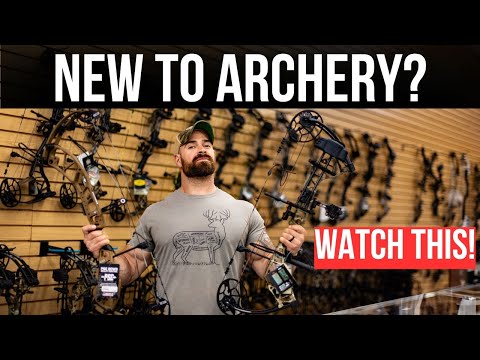
Before you read another word, watch this. Sometimes six minutes of demonstration teaches more than sixty pages of theory — and this one is the closest thing to standing at the bench with us.

The 5-Step Spine Match Method (Used by Our Editorial Bench)
This is the exact sequence we run on every test setup. Skip a step, and the whole stack of cards collapses.
Step 1: Measure Your Actual Draw Length
Not the draw length your buddy guessed. Not what the kid at the pro shop eyeballed during a Saturday rush. Your actual draw length.
The Method:
- Stand against a flat wall, heels touching the baseboard
- Arms out in a perfect T, palms forward
- Have someone measure fingertip-to-fingertip in inches
- Divide that number by 2.5
- Round to the nearest half-inch
> ### Expert Tip > Have a buddy do the measurement. Reaching for the tape skews your stance and adds up to 3/4" of false length — enough to push you into the wrong spine bracket entirely.
Step 2: Confirm Your Peak Bow Weight (Don't Trust the Sticker)
Use a calibrated bow scale at your shop. Stickers lie. Cams creep. Limbs settle. This isn't a conspiracy — it's physics over time.
My Hoyt RX-7 was advertised at 70 lbs but pulled 67.5 on the scale — enough to bump me from a 340 spine into the upper end of a 400 spine recommendation. A 2.5-lb difference quietly rewrote my entire arrow build.
Run the test:
- Pull through full draw on a scale, three times
- Average the readings
- Use that number for all spine charts — never the sticker
Step 3: Pick Your Point Weight FIRST
This is the step 90% of hunters skip — and it's the most expensive mistake on the list.
A 125-grain broadhead weakens dynamic spine significantly compared to a 100-grain. If you build your arrow around field points and bolt a heavier head on the morning of opening day, you've just changed the math entirely.
The rule: Choose your hunting broadhead first. Build the arrow around it. Match field points to the exact grain weight. Tune everything as one system.
Quick-Reference Spine Chart (The One We Keep Taped to the Bench)
| Draw Weight | Draw Length | 100gr Point | 125gr Point |
|---|---|---|---|
| 50-55 lbs | 27-29" | 500 spine | 400 spine |
| 55-60 lbs | 27-29" | 400 spine | 400 spine |
| 60-65 lbs | 28-30" | 400 spine | 340 spine |
| 65-70 lbs | 28-30" | 340 spine | 340 spine |
| 70-75 lbs | 29-31" | 340 spine | 300 spine |
> ### Key Takeaway > Spine is not a guess. It is the single most measurable variable in your entire archery setup. Treat it like the foundation of a house — get it wrong, and everything you stack on top of it leans.
The Bottom Line
If you remember nothing else from this guide, remember this:
- Measure your real draw length. Not the modules. Not the marketing.
- Weigh your real bow weight. Stickers are wishes.
- Pick the point weight first. Build the arrow around the broadhead, not the other way around.
- Bare-shaft test before you trust it. Field points hide everything; broadheads expose it all.
That's the difference between a hunter who fills tags and a hunter who tells stories about the one that got away.
Key Takeaways
- Choosing the right how to choose arrow spine for hunting means matching the key features to your specific needs and budget
- Read real customer reviews and check the return policy before you commit
- Also covers: arrow spine chart
- Also covers: matching arrows to draw weight
- Also covers: hunting arrow stiffness guide
- Compare value across models — the priciest option is not always the best fit