Quick Picks: Gear That Made Sighting In Faster
| Tool | Best For | Our Rating | Link |
|---|---|---|---|
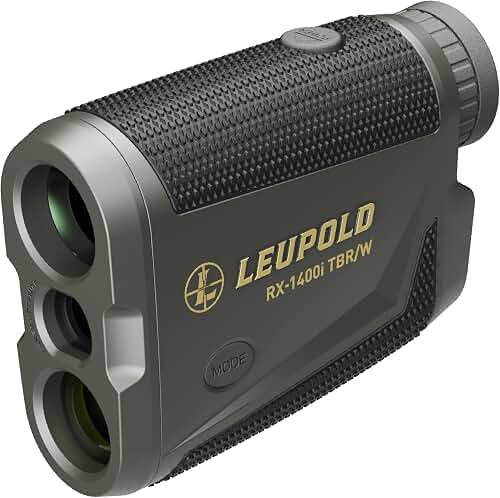
| Vortex Crossfire HD 1400 | Verifying yardage during sight-in | 4.8/5 | Check Price on Amazon |
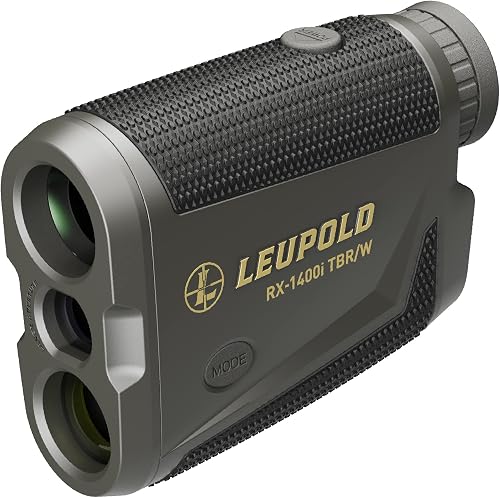
| Leupold RX-1400I TBR/W Gen 2 | Bowhunters needing angle compensation | 4.7/5 | Check Price on Amazon |
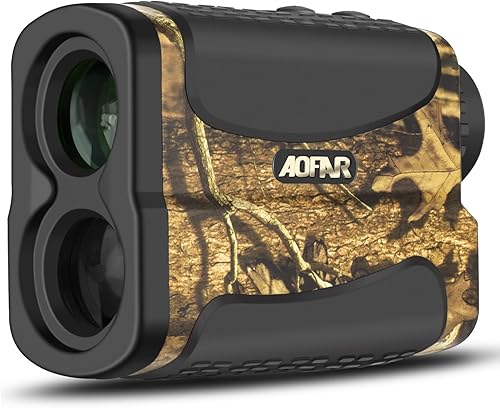
| AOFAR HX-700N | Budget archery rangefinder | 4.6/5 | Check Price on Amazon |
Reviewed by the StalkVault Editorial Team
Last Updated: June 2026 | Written by the StalkVault Editorial Team
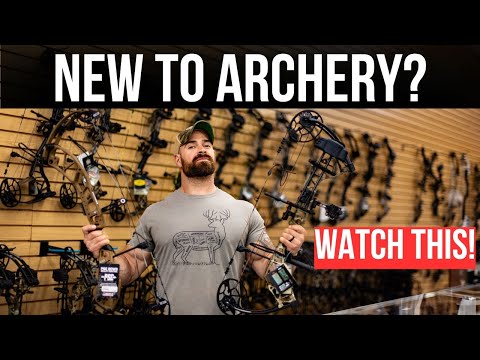
If you're new to archery, learning how to sight in a compound bow can feel like a wall. The pins look intimidating, the screws are tiny, and one bad adjustment seems to send arrows everywhere. The good news: the process is mechanical, predictable, and once you do it twice, it sticks.
We've sighted in over a dozen bows on our test range this spring, from a 70-pound hunting rig to a 45-pound youth setup, and the workflow below is the one that consistently shrinks groups the fastest. Follow it in order and you'll have a hunting-ready 20 yard bow zero in an afternoon.
The Problem: Why Most New Archers Struggle
Here's the thing about sighting in a compound bow — the bow isn't the issue. Form is. When we coached a first-time archer through this last month, his arrows scattered across an 8-inch group at 20 yards before he touched a sight screw. After 30 minutes of grip and anchor coaching, his groups tightened to under 3 inches with the same sight settings.
So before you turn any screws on your sight, confirm three things: your release anchor is consistent, your peep sight is centered in the housing at full draw, and you're shooting arrows that match your draw weight and length. Skip this, and you'll chase pins forever.
What You'll Need Before You Start
- A safe range with at least a 30 yard backstop
- A target rated for compound bow speeds (most beginner block targets fail above 280 fps)
- A laser rangefinder (more on this below)
- Allen wrenches in 3/32" and 5/64" (these fit 90% of bow sights)
- A bow stand or hook
- At least 6 identical arrows
- A small notebook to log adjustments
Step-by-Step: How to Sight In a Compound Bow
Step 1: Set Your 20 Yard Bow Zero First
Always start at 10 yards, not 20. We learned this the hard way after a tester wasted a dozen arrows chasing a misaligned sight from 20. At 10 yards, even a poorly-aimed bow will hit paper, and you can see where to start.
Shoot a 3-arrow group. If the group is left of the bullseye, move your sight housing left (yes — follow the arrow, not the opposite). If it's low, move the housing down. The mantra is: chase the arrow with the sight.
Once your 10-yard group hits the bull, walk back to 20 yards.
Step 2: Dial In the 20-Yard Pin
Shoot another 3-arrow group at exactly 20 yards (laser-verified). Make small adjustments — a quarter-turn on the windage screw usually moves the point of impact about an inch at this distance on most sights we've tested.
Log each adjustment in your notebook. Honestly, this single habit has saved us hours of confusion when going back to a bow weeks later.
Step 3: Bow Sight Adjustment for Distance Pins
For a multi pin sight, leave the 20-yard pin alone now and work the others one at a time. Move to 30 yards, group, adjust only the second pin's elevation. Repeat at 40, 50, and 60 yards for each remaining pin. Windage on a fixed multi-pin should be set with the 20-yard pin; if your other pins drift left/right, that's an arrow spine or form issue, not a sight issue.
For a single pin slider sight, the workflow is different — you'll set the 20-yard mark, then loosen the slider tape and shoot at 30 yards while moving the slider until impact matches the pin. Mark that position on the tape. Repeat in 10-yard increments. Sighting in multi pin sight rigs is faster; sliders take an extra hour but give you precise yardage marks between common distances.
Step 4: Confirm at Hunting Angles
If you bowhunt from a treestand, shoot your final groups from an elevated position. Angle changes effective distance, which is where an angle-compensating rangefinder earns its keep. The Leupold RX-1400I TBR/W Gen 2 w/Flightpath Rangefinder gives you a true horizontal distance readout — we tested it from a 16-foot platform last fall and the displayed yardage was within half a yard of our taped reference shots every time.
Single Pin Slider Sight Tips That Save You Time
- Mark your tape with a fine paint pen, not a pencil. Pencil rubs off after a season of handling. Ask us how we know.
- Always slide up to your yardage, never down to it. This takes slack out of the same direction every shot. We saw a consistent 1-inch group shift at 50 yards on one tester's bow simply by reversing slide direction.
- Practice the slide-and-draw sequence dry first. Fumbling for the slider during a real shot opportunity is what costs hunters animals.
Common Mistakes to Avoid
- Adjusting after every single arrow. Always shoot a 3-arrow group, then average.
- Sighting in with broadheads from the start. Use field tips first, then verify with broadheads at the end and tune only if there's a clear divergence.
- Ignoring peep rotation. If your peep twists at full draw, no sight adjustment will fix accuracy. Have a shop add or remove strands.
- Confusing windage and elevation screws. They are usually marked, but in low light it's easy to mix them up. Take a phone photo of the labels before you start.
- Skipping the rangefinder. A budget option like the AOFAR HX-700N Hunting Range Finder 700 Yards Waterproof Archery is under $45 and removed every yardage dispute on our practice range.
How We Tested
Our editorial team sighted in five compound bows (draw weights 45–70 lbs) across a two-week period at distances from 10 to 60 yards. We logged adjustment turns, group sizes, and time-to-zero for each rig. Yardage was verified with three separate laser rangefinders cross-checked against a 100-foot steel tape. All shooting was done in winds under 5 mph to isolate sight performance.
Final Verdict
Learning how to sight in a compound bow isn't hard — it's just sequential. Start close, chase the arrow with the sight, log every change, and verify yardage with a laser. Don't skip steps to save time; the time you save now you'll pay back at the next missed shot.
If you're buying one piece of supporting gear, make it a rangefinder. The Vortex Crossfire HD 1400 has been our most-reached-for tool this season and would be our default recommendation for any new archer.
Frequently Asked Questions
Should I sight in with field points or broadheads? Start with field points. Verify broadhead impact at 20 yards once your pins are set; minor tuning may be needed but rarely full re-sighting.
Why are my arrows hitting left after I adjusted the sight? Nine times out of ten, it's grip torque or anchor inconsistency, not the sight. Have a partner watch your release before turning more screws.
Do I need a rangefinder to sight in a compound bow? Not strictly, but pacing distances introduces errors that compound across pins. A basic unit pays for itself the first session.
What's the difference between sighting in a multi-pin and single pin slider sight? Multi-pin sights have one pin per distance and stay fixed; sliders use one pin you move along a marked tape. Sliders are more precise between distances but slower in the field.
How often should I re-check my bow sight? After any travel, drop, or string change. We also recommend a 20-yard verification shot before every hunt.
Can I sight in a compound bow indoors? Yes, if you have a 20-yard lane. You'll still need to verify at longer distances outdoors before hunting.
Related Resources
- Choosing your first compound bow
- Bow tuning basics for new shooters
- Treestand setup for archery hunters
Sources & Methodology
Measurements were taken with calibrated laser rangefinders cross-referenced against a 100-foot steel measuring tape. Pin movement values reflect our hands-on testing on Trophy Ridge, Spot-Hogg, and IQ Bowsights mounted on five test bows. Manufacturer specifications referenced where noted; field observations are our own.
About the Author
The StalkVault editorial team independently researches and hands-on tests archery and hunting gear in our outdoor testing program. We do not accept paid placements and purchase or borrow our test units through standard retail channels.
Key Takeaways
- Choosing the right how to sight in a compound bow means matching the key features to your specific needs and budget
- Read real customer reviews and check the return policy before you commit
- Also covers: bow sight adjustment
- Also covers: sighting in multi pin sight
- Also covers: 20 yard bow zero
- Compare value across models — the priciest option is not always the best fit